Month: May 2026

The Popularity of Skin Rejuvenation to Hard-Working Parents

The Popularity of Skin Rejuvenation to Hard-Working Parents

Parenthood is a combination of a wonderful yet tiring and overwhelming journey. But, due to the list of responsibilities that parents have to do, their personal well-being has been ignored. As a result, parents may end up feeling exhausted, affecting their skin. Hence, why not give facial rejuvenation with Dr. Lanna a try? Not only will you look great, but you will also pay attention to yourself.

These days, skin rejuvenation has turned into an important component of a wellness plan, which positively affects your well-being, stress levels, and overall emotional health.

Underlying Issues Caused by Parental Stress

There is always a price to pay when you decide to become a parent. In many cases, it leads parents to lack sleep, have irregular schedules, and be emotionally exhausted from the daily parenting routine. Certain factors influence one’s skin.

1-Dried and Lackluster Skin

2-Fine Lines and Premature Aging

3-Breakouts

4-Lower Self-confidence

Self-care: A Vital Need for Parents

Proper self-care can lead to better parenting and family life. Self-care can be expressed in a variety of ways, such as:

  • ✅Getting enough rest
  • ✅Maintaining healthy nutrition
  • ✅Taking quiet personal time
  • ✅Spending time at the spa
  • ✅Practicing a good skincare routine

Skin rejuvenation treatments are now being discussed as part of this dialogue, as they help people take charge of their own health instead of putting themselves last.

Modern Skin Rejuvenation Techniques

Skin rejuvenation is a set of procedures that enhance the overall health, texture, and appearance of the skin without any invasive or minimally invasive interventions. The treatments are intended to enhance natural skin renewal processes, not to change its appearance dramatically.

Treatments can help to solve the following issues:

  • A warm and calming wellness spa scene featuring a parent receiving a gentle facial rejuvenation treatmentUneven skin tone
  • ✅Acne scars
  • ✅Smooth wrinkles and lines
  • ✅Dehydrated skin
  • ✅Sun damage
  • ✅Loss of firmness
  • ✅Dull complexion

Today, however, the emphasis is more on enhancing beauty in a subtle way so that the individual looks rejuvenated without any apparent changes.

The Psychological Advantages of Facial Rejuvenation

The advantages of skin rejuvenation can extend beyond its looks. Numerous parents claim that they regain their emotional strength by being with themselves.

1-Self-Confidence Boost

Enhancing one’s self-confidence and social well-being requires the comfort of carrying one’s attire. The skin’s condition is also an important factor that has an impact on their energy levels and overall confidence. 

2-Creating Time for Personal Care

Wellness treatments that are scheduled allow parents to take a break from all the responsibilities they have.

3-Supporting Mental Relaxation

Several beauty treatments include soothing areas, massages, and elements that contribute to the relaxation process.

Parental figures do find themselves occasionally indulging themselves by spending time or money. A healthy self-care approach does not mean selfishness. Self-care methods may prevent burnout and, at the same time, help you stay emotionally stable.

Another way that children learn is by watching the adults. Healthy behaviors for parents and healthy stress management contribute to positive self-care behaviors for families. A component of good parenting also involves knowing that the parents themselves require care.

Skin Care Tips for Overworked Mothers

Whereas professional intervention may assist with skin care issues, some activities are important for ensuring success.

❇️Simplify Skincare Routines

There’s no need to have complicated skin care systems when busy parents are the ones handling it. Soothing cleanser, moisturizer, and sunscreen can offer some of the essential protection you need each day.

❇️Aim for sleep whenever you can.

Sleep is important to skin repair and emotional health. Any slight changes that help with sleep can make a difference in the way skin looks.

❇️Reduce Stress Gradually

Taking time to walk, journal, meditate, or simply enjoy some quiet personal time might help in emotional and skin wellness.

The article entitled “Doable Stress Reduction Strategies for Parents” is also worth reading.

Conclusion

A parent whose life is full of helping others may find renewal of balance, relaxation, and confidence in taking time for themselves. The skin may become revitalized to benefit one’s health as well as physical appearance, especially with a healthy lifestyle. It is important that parents have their needs met as well. Because looking after oneself can be very beneficial not only for health but for family relationships too.

What Parents Should Know About Concierge-Style Healthcare for Family Wellness Planning

What Parents Should Know About Concierge-Style Healthcare for Family Wellness Planning

The American Academy of Pediatrics reports that preventive care and regular wellness visits play an important role in long-term family health outcomes. Yet many parents continue to struggle with packed schedules, limited appointment availability, and rushed consultations that leave little room for detailed questions. These pressures have contributed to growing interest in concierge-style healthcare, a model that emphasizes accessibility, preventive planning, and more personalized communication between families and healthcare providers.

Some families researching wellness-focused care models encounter practices such as SeeBeyond Medicine Greenwich while comparing different approaches to preventive healthcare and family scheduling. Although concierge healthcare varies by provider, the general model often centers on extended appointments, direct communication access, and wellness planning designed around the needs of individuals and households.

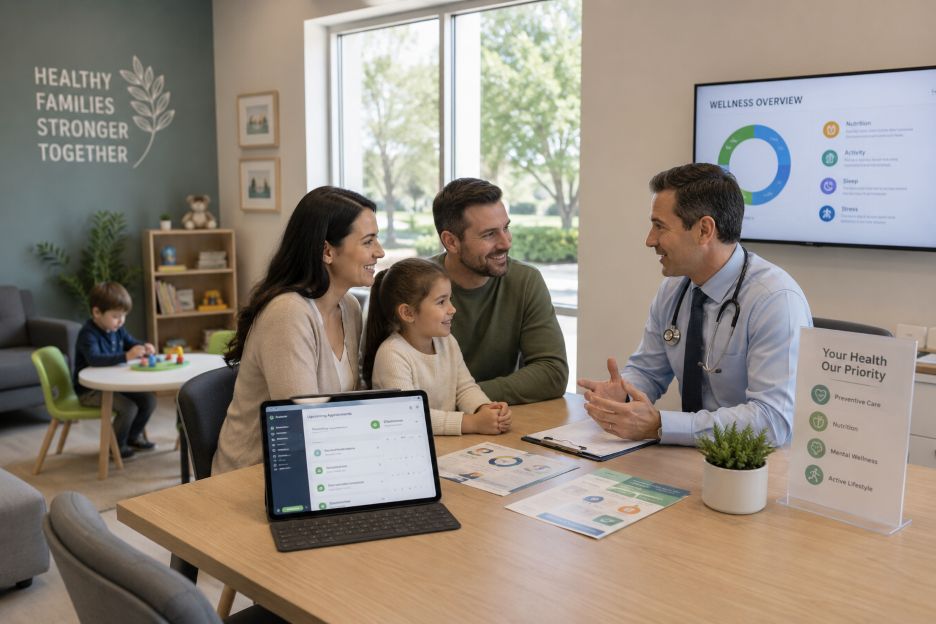
family wellness clinic with parents consulting a healthcare professional

Understanding Concierge-Style Healthcare

Concierge healthcare is usually based on a membership structure that gives patients expanded access to healthcare services. Instead of relying only on short appointments scheduled weeks in advance, families may receive longer consultations, easier follow-up communication, and more flexible scheduling options. The model is sometimes described as membership medicine, direct-care wellness, or personalized healthcare coordination.

Research published by Harvard Health Publishing notes that concierge medicine has grown steadily in the United States over the last decade, partly because patients want more time with healthcare professionals and less fragmented care. Parents balancing work, school activities, and pediatric appointments often view this approach as a way to simplify family wellness planning.

Despite the convenience, concierge-style healthcare does not replace every aspect of traditional medicine. Many families still rely on insurance-based systems for emergency care, hospital services, or specialist referrals. Instead, concierge care is often used as an added layer of preventive support and ongoing health management.

How Concierge Care Differs From Traditional Appointments

One of the biggest differences involves time. Traditional primary care appointments are often limited to brief visits because physicians manage large patient volumes. Data from The Commonwealth Fund shows that many primary care providers face increasing administrative demands, which can reduce face-to-face time with patients.

Concierge healthcare practices generally work with smaller patient groups. This allows providers to spend more time discussing sleep habits, stress levels, nutrition, developmental concerns, and lifestyle factors that may affect family wellness. Parents may have greater opportunities to ask questions without feeling rushed.

Communication methods also tend to differ. Some concierge practices provide secure messaging, telehealth consultations, or direct phone access for follow-up questions. This structure can help parents manage minor concerns without scheduling additional office visits.

Another distinction involves preventive planning. Traditional systems often focus on treating symptoms as they arise. Personalized wellness clinics, on the other hand, may place stronger emphasis on early intervention, long-term health tracking, and lifestyle guidance. This can include conversations about sleep routines, stress management, nutrition habits, and family wellness goals.

Questions Parents Should Ask Before Enrolling

Although concierge-style care may sound appealing, experts recommend evaluating programs carefully before committing to a membership plan. Families should understand exactly what services are included and how the practice handles routine and urgent care needs.

What Services Are Covered?

Some programs focus mainly on preventive healthcare and wellness support, while others include pediatric visits, annual screenings, lifestyle consultations, and chronic condition monitoring. Parents should ask whether same-day appointments, telehealth access, and after-hours communication are part of the membership structure.

How Are Emergencies Managed?

Concierge healthcare is generally not designed to replace emergency services. The American Medical Association advises patients to understand how providers coordinate hospital care, specialist referrals, and urgent medical situations before enrolling.

How Accessible Is the Provider?

Availability matters, especially for families with young children. Parents may want to ask about response times for messages, weekend scheduling policies, and how quickly urgent concerns are addressed.

Does the Practice Support Family Coordination?

Some wellness-focused healthcare providers offer coordinated scheduling for multiple family members. This can reduce the stress of arranging separate appointments for parents and children across different clinics.

Managing Pediatric and Family Schedules

Family healthcare logistics have become increasingly complicated in households where both parents work or children participate in multiple activities. A report from Pew Research Center found that many parents describe modern scheduling demands as a major source of stress.

Concierge healthcare models attempt to address part of this challenge through flexible appointment structures and ongoing communication. For example, parents may schedule annual wellness visits for multiple family members on the same day or receive follow-up guidance digitally instead of returning to the office for every discussion.

These systems can also support preventive wellness habits at home. Providers in personalized family care settings may spend more time discussing sleep patterns, screen habits, emotional well-being, and communication within the household. Some families also explore guidance related to healthy parenting communication strategies and emotional support approaches when building long-term wellness routines for children and adolescents.

Technology plays a growing role as well. Secure patient portals, online scheduling systems, and telehealth tools can help parents organize medical information more efficiently. The expansion of virtual care during recent years has encouraged many healthcare providers to improve communication systems for families managing busy schedules.

Financial and Accessibility Considerations

Cost remains one of the most important factors for families considering concierge-style healthcare. Membership fees vary widely depending on location, provider experience, and included services. Some practices charge monthly fees, while others use annual payment structures.

Data from KFF, formerly known as the Kaiser Family Foundation, shows that healthcare affordability continues to influence how families make medical decisions. Concierge care may improve convenience and communication, but parents should carefully compare membership costs with their existing insurance coverage and healthcare needs.

Accessibility can also vary by region. Concierge-style practices are more common in urban and suburban communities, although telehealth services have expanded access in some areas. Families living in rural locations may have fewer options for membership-based healthcare programs.

Parents should also consider whether this type of healthcare aligns with their long-term priorities. Some households value the convenience of extended appointments and preventive planning, while others may prefer traditional systems supported fully through insurance networks.

These decisions often depend on family size, medical history, scheduling demands, and financial flexibility. Healthcare experts generally encourage families to review provider credentials, communication policies, and membership details carefully before enrolling in any personalized wellness program.

Conclusion

Preventive healthcare has become a growing priority for many families navigating increasingly busy schedules and evolving healthcare systems. Concierge-style medicine reflects one response to these pressures by offering more personalized communication, flexible scheduling, and wellness-focused planning.

At the same time, membership-based healthcare is not a universal solution. Financial costs, regional availability, and differences in service coverage all shape whether this approach fits a household’s needs. Parents exploring personalized family healthcare models, wellness-centered clinics, or preventive care memberships should evaluate programs carefully and compare them with traditional healthcare options.

As healthcare continues to evolve, many families are looking for systems that balance accessibility, preventive support, and long-term wellness planning. Understanding how concierge healthcare works can help parents make informed decisions that align with their family’s medical, financial, and scheduling priorities.

Why Family Meal Routines Matter for Children’s Mental Health

Why Family Meal Routines Matter for Children’s Mental Health

The importance of family meal routines is being re-emphasized because of their beneficial impacts on children’s emotional and mental health. Meals with the family provide a chance to communicate, to be stable, and to feel connected in the hustle and bustle of home. The psychologists have put forward the idea that regularity in mealtime would foster an atmosphere where the emotional development of the child could occur. In fact, even ordinary meals at home could lead to bonding, thus creating a healthy lifestyle for the child.

Better Eating Patterns: Start with Family Meals

A family enjoying a healthy dinner together at a dining table, warm home atmosphere, parents and children talking happilyThe possibility that children would be exposed to better dietary regimes in their eating habits will become easier when they eat with their families. Here, the parents will have opportunities to set a healthy example for their children.

Digital-Free Meals Encouraging Better Attention

Families are restricting phones and TV during meals as a way to enhance communication. Dining in places where screens are not allowed enhances interdisciplinary communication and eye contact. Distraction can be minimized, and this can make children more engaged and emotionally present.

End Notes

Family meals are ways to communicate, reach out, and eat healthy foods with other members. In fact, parents are now aware of the benefits of routines that help improve relationships within the family as well as the growth of their children.

𐌢